7-Day Tanzania Safari Itinerary
Tarangire, Serengeti, Ngorongoro Crater. Seven days from Arusha and back. Two nights in Tarangire while the crowds head straight past it, three nights in the central Serengeti, and a full day on the crater floor before the run home. This page is the exact day-by-day breakdown: departure times, what you see, where you sleep, what it costs.
Safari Overview
The route runs west from Arusha and loops back: Tarangire first because it is closest and you warm up on a good park before the long Serengeti leg, then the central Serengeti for three nights of big-cat country, then the Ngorongoro Crater on the way home. Total driving is roughly 1,100 km. The Day 3 drive from Tarangire to the Serengeti is the longest of the trip, five to six hours, broken by the Olduvai Gorge stop. Every other day is game drives, not transit. The itinerary adjusts to the migration: December through March the Serengeti nights can shift south toward Ndutu for calving season, July through October they can shift north for the Mara River crossings.
Your Itinerary
- Day1
Arusha to Tarangire National Park
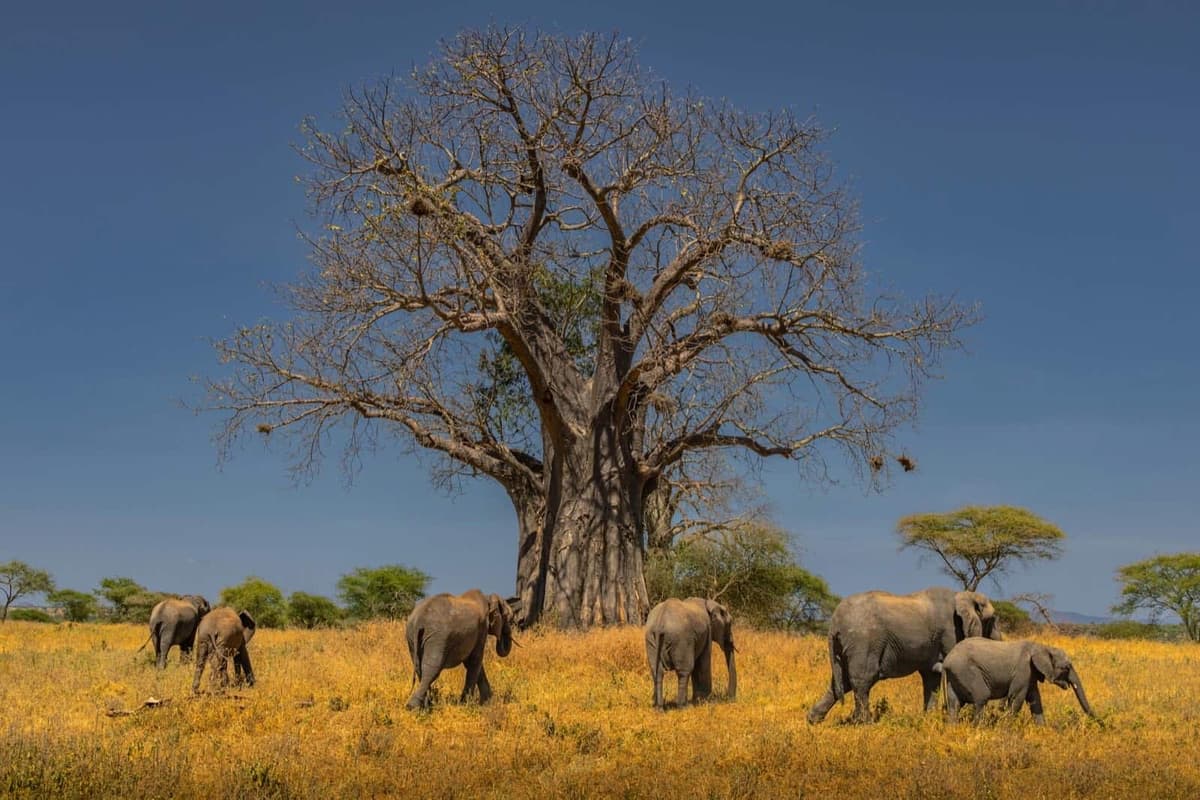
Arusha to Tarangire · about 2 hrs, tarmacYour guide picks you up from your Arusha hotel at 7:30am. The drive southeast takes about two hours, passing through Maasai village country before the land thickens into acacia woodland and the first baobabs appear. You enter Tarangire through the main gate and head for the river. The Tarangire River is the only permanent water in the dry season. Everything comes to it. In the morning you might find 60 elephants at the water before the park gate is even behind you. Game drive through the afternoon, checking in at your camp before sunset.
OvernightTarangire tented camp or lodge (by tier)MealsLunch, Dinner - Day2
Full Day in Tarangire
In the vehicle by 6:30am, while the air is cold and the animals are moving. The Silale Swamp in the south draws buffalo, wildebeest, and hippos that most tourists never reach because guides hustle toward the easier north. Tarangire has species you will not see in the Serengeti or Ngorongoro: fringe-eared oryx with their long straight horns, gerenuk browsing upright on their hind legs, greater kudu in the dense bush. The bird list tops 550 species. The park is 2,850 square kilometres and the roads are uncrowded compared to the Serengeti. A full day here is earned, not padded.
OvernightTarangire tented camp or lodge (by tier)MealsBreakfast, Lunch, Dinner - Day3
Tarangire to Central Serengeti
Tarangire to Central Serengeti · 6.5 to 8 hrs with stops at Olduvai GorgeLeave Tarangire after breakfast at 7:00am and drive west through the Ngorongoro Highlands. The road climbs through farmland and Maasai settlements. Stop at Olduvai Gorge on the way: in 1959, Mary Leakey uncovered a hominid skull here dating to 1.8 million years ago. The site guide does a 20-minute talk at the excavation. Worth the stop. Continue to Naabi Hill Gate and begin your first game drive in the Serengeti. The change in landscape is immediate: open short-grass plains extending to the horizon in every direction. Check into your camp near the Seronera area. Late afternoon drive to settle in to the rhythm of this very different ecosystem.
OvernightCentral Serengeti tented camp (by tier)MealsBreakfast, Lunch, Dinner - Day4
Full Day in the Central Serengeti
The Seronera Valley is the most reliable year-round wildlife area in the Serengeti. The Seronera River and its tributaries create a permanent waterway through the central plains, and the fig trees along the banks are where leopard rest during the day. Your guide knows the trees. Lion prides in the Seronera area have been studied for decades and are extraordinarily tolerant of vehicles. It is common to find a pride of 12 or more lions within 10 metres of the road, sleeping off a morning kill. Cheetah are frequently spotted on the open plains east of Seronera. Hippo pools on the river hold 30 to 50 animals. The afternoon light here turns the kopjes orange.
OvernightCentral Serengeti tented camp (by tier)MealsBreakfast, Lunch, Dinner - Day5
Serengeti: Dawn Drive and Afternoon Game Drive
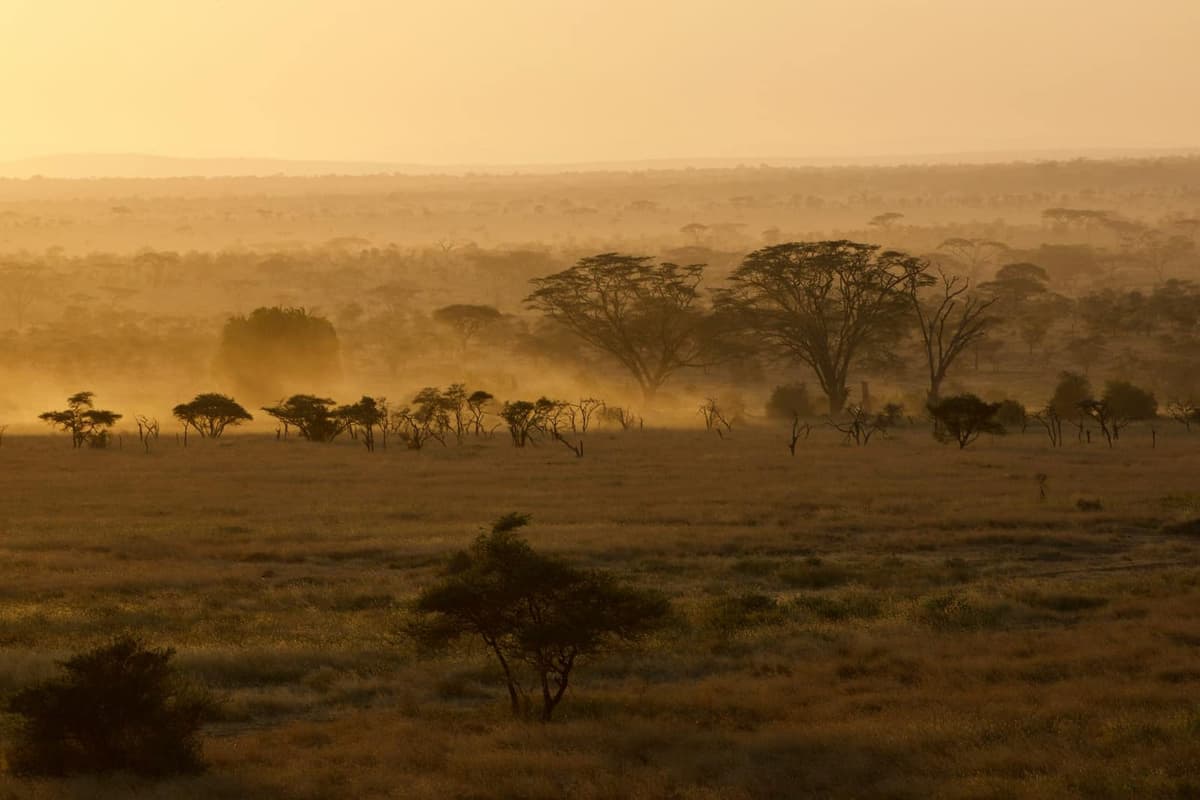
The best hour in the Serengeti is the first one. Sunrise over the plains turns everything gold, and the predators are still active. Leave camp at 6:00am and drive the Seronera area while the cheetah and lion are still on the move. Mid-morning return to camp for a full breakfast, then rest through the hottest hours. Back in the vehicle by 3:30pm for the afternoon drive. Late light on the Serengeti is genuinely different: the colours shift, the animals come back out, and the activity around water holes picks up. Stay out until park closing time.
OvernightCentral Serengeti tented camp (by tier)MealsBreakfast, Lunch, Dinner - Day6
Serengeti to Ngorongoro Crater
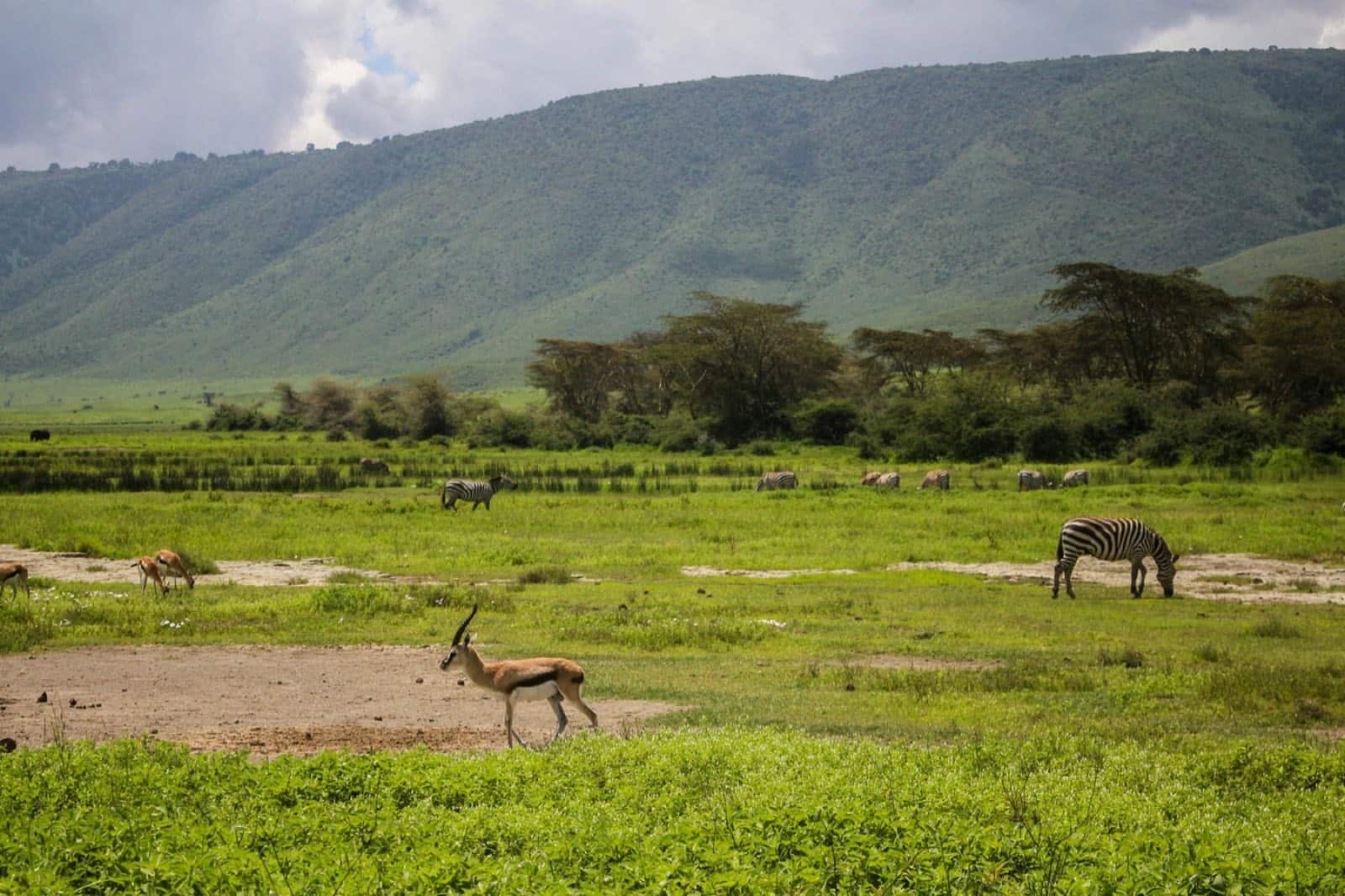
Central Serengeti to Ngorongoro Crater · 3 to 4 hrs, gravel then tarmac near the rimDrive east through the Serengeti, exiting at Naabi Hill and climbing back into the Ngorongoro Conservation Area. Reach the crater rim by mid-morning and descend into the caldera. The Ngorongoro Crater is 260 square kilometres on the floor, enclosed by walls that drop 610 metres. Animals that live here rarely leave. The density is extraordinary: approximately 120 lions, around 50 black rhino, and some 25,000 large animals in total. Your guide pays the $295 vehicle fee at the descent gate and you spend the rest of the day on the crater floor. There are no giraffe in the crater. The walls are too steep. Everything else that lives in East Africa is here in numbers that seem improbable until you see it yourself. Ascend at closing time and overnight near the crater.
OvernightKaratu lodge or crater-rim camp (by tier)MealsBreakfast, Lunch, Dinner - Day7
Ngorongoro Highlands to Arusha
Ngorongoro Crater to Arusha · 3.5 to 4 hrs, mostly tarmacA lighter final morning. Optional early walk or visit to a Maasai village near the crater rim. If your flight is afternoon or evening, there is time for this and still a comfortable return. Leave the crater area by 11:00am for the three-hour drive back to Arusha, arriving early afternoon. Most international flights depart Kilimanjaro Airport (JRO) in the evening; if yours leaves in the morning, plan an Arusha overnight.
OvernightEnd of safariMealsBreakfast
Prices
Green season (April-May)
| Tier | 2 guestsper person | 4 guestsper person | 6 guestsper person |
|---|---|---|---|
Comfort Comfortable tented camps and lodges, full board. Our best value, and still fully private. Tortilis mobile camps, Mawe Karatu | $3,135 | $2,430 | $2,195 |
Premium Built lodges and upgraded camps in prime locations near the park gates. Ang'ata Camps, Turaco Ngorongoro Valley (built lodge) | $3,945 | $3,230 | $2,995 |
Comfortable tented camps and lodges, full board. Our best value, and still fully private.
Tortilis mobile camps, Mawe Karatu
- 2 guests (pp)
- $3,135
- 4 guests (pp)
- $2,430
- 6 guests (pp)
- $2,195
Built lodges and upgraded camps in prime locations near the park gates.
Ang'ata Camps, Turaco Ngorongoro Valley (built lodge)
- 2 guests (pp)
- $3,945
- 4 guests (pp)
- $3,230
- 6 guests (pp)
- $2,995
Peak season (June-October)
| Tier | 2 guestsper person | 4 guestsper person | 6 guestsper person |
|---|---|---|---|
Comfort Comfortable tented camps and lodges, full board. Our best value, and still fully private. Tortilis mobile camps, Mawe Karatu | $3,810 | $3,105 | $2,865 |
Premium Built lodges and upgraded camps in prime locations near the park gates. Ang'ata Camps, Turaco Ngorongoro Valley (built lodge) | $4,670 | $3,960 | $3,720 |
Luxury Premium tented camps and a crater-rim camp, the top of our range. Lemala Camps, Lemala Ngorongoro (crater rim) | $5,435 | $4,725 | $4,490 |
Comfortable tented camps and lodges, full board. Our best value, and still fully private.
Tortilis mobile camps, Mawe Karatu
- 2 guests (pp)
- $3,810
- 4 guests (pp)
- $3,105
- 6 guests (pp)
- $2,865
Built lodges and upgraded camps in prime locations near the park gates.
Ang'ata Camps, Turaco Ngorongoro Valley (built lodge)
- 2 guests (pp)
- $4,670
- 4 guests (pp)
- $3,960
- 6 guests (pp)
- $3,720
Premium tented camps and a crater-rim camp, the top of our range.
Lemala Camps, Lemala Ngorongoro (crater rim)
- 2 guests (pp)
- $5,435
- 4 guests (pp)
- $4,725
- 6 guests (pp)
- $4,490
Per person sharing, US dollars. The 'from' price is the Comfort tier with six guests sharing in green season. Price drops as your group grows because the private vehicle and guide are shared across more people. Luxury camps close in April-May, so green season shows Comfort and Premium only. Every figure is built from real lodge rates, our own vehicle, and current park fees, not marked-up reseller prices.
Where Your Money Goes
Typical split for a mid-range private safari for two. The exact split shifts with season, lodges, and group size, and your written quote itemises every line. See the government park fees
Drive times and distances
All driving is on tarmac between towns and on park tracks inside the reserves. The Tarangire to Serengeti leg on Day 3 is the longest drive of the trip and takes the better part of a day, which is why we include the Olduvai Gorge stop en route.
| Leg | Day | Distance | Drive time |
|---|---|---|---|
| Arusha to Tarangire Gate | Day 1 | 120 km | ~2 hours |
| Tarangire to Serengeti (via Ngorongoro Highlands) | Day 3 | 330 km | 5-6 hours with stops |
| Serengeti to Ngorongoro Crater rim | Day 6 | 150 km | ~3 hours |
| Ngorongoro rim to Arusha | Day 7 | 180 km | ~3 hours |
| Total (all driving) | 7 days | ~1,100 km |
Park fees for this itinerary
Park fees are set by the Tanzanian government and apply to every visitor regardless of operator. These are the 2026 non-resident adult rates for the exact parks and nights in this route, peak season, VAT included. All of these are already included in the tier prices above.
| Fee | Days | Rate/person | Per adult total |
|---|---|---|---|
| Tarangire Entry Fee | 2 days | $59.00 | $118.00 |
| Tarangire Overnight Fee (lodge) | 2 nights | $47.20 | $94.40 |
| Serengeti Entry Fee (peak season) | 3 days | $82.60 | $247.80 |
| Serengeti Overnight Fee (Jul-Sep) | 3 nights | $70.80 | $212.40 |
| NCA Entry Fee (Ngorongoro) | 2 days | $70.80 | $141.60 |
| NCA Overnight Fee (rim lodge) | 1 night | $59.00 | $59.00 |
| Ngorongoro Crater Descent | 1 descent | $295/vehicle | Shared by group |
| Total park fees per adult (excluding crater vehicle fee) | $873.20 | ||
Crater descent: The $295 vehicle fee is paid once per descent and split across the vehicle. For two adults that is $147.50 each. For four adults, $73.75 each.
Low season (Apr-May): Serengeti and Tarangire entry drop to $70.80 and $53.10, and the Serengeti overnight fee drops to $59.00, bringing total park fees to around $790.60/adult.
Every Saleh Safaris quote shows park fees broken down by park, day count, and person type. How Tanzania park fees are calculated
How the itinerary changes by season
Wildebeest calving at Ndutu. The 7-day route can be adjusted to add time in the southern Serengeti near Ndutu instead of central Seronera. Best cheetah viewing of the year.
Long rains. Prices drop 20-30%. Park roads can flood. Wildlife spreads out and is harder to find. The Serengeti is lush and beautiful. Fewer tourists.
Peak season. Animals concentrate around water. Northern Serengeti (July-Oct) has the Mara River crossings. Best overall wildlife density. Lodge prices at peak.
Short rains finish in November. Prices lower than peak season. Wildlife starts dispersing across the Serengeti as the plains green up. Good value months.
What's Included
Included
- All park entrance fees, concession fees, and the Ngorongoro crater vehicle fee ($295 per vehicle)
- Private 4x4 Toyota Land Cruiser with pop-up roof
- Professional English-speaking guide, Arusha-based
- 6 nights accommodation as specified
- All meals full-board (lunch on Day 1 through breakfast on Day 7)
- Bottled water and soft drinks on game drives
- Airport and hotel transfers in Arusha
- AMREF Flying Doctors emergency evacuation insurance
Not Included
- International flights
- Tanzania e-visa ($50 for most nationalities; $100 for US citizens)
- Travel insurance
- Guide gratuity (suggested $25 per day)
- Lodge staff gratuity (suggested $5-7 per day via lodge tip box)
- Hot air balloon safari ($599 per person, booked in advance)
- Alcoholic beverages
- Arusha accommodation before/after the safari
Common Questions
Is 7 days enough for a Tanzania safari?
Seven days is enough to do the Northern Circuit properly: Tarangire, central Serengeti, and Ngorongoro Crater. You get two nights in Tarangire, three in the Serengeti, one near the crater, and a travel day at each end. It is not leisurely but it is not rushed either. Eight days is better if you can manage it.
What is the best route for a 7-day Tanzania safari?
Arusha to Tarangire (2 nights), then Serengeti (3 nights), then Ngorongoro Crater (1 night), then back to Arusha. Total driving is roughly 1,100km. Some operators reverse the route but driving Tarangire first makes logistical sense: it is closest to Arusha and you warm up on a good park before the longer Serengeti drive.
What is the best time of year for a 7-day Tanzania safari?
June through October is peak dry season: animals concentrate around water, grass is short so sightings are easier, and the northern Serengeti has the Mara River crossings from July through October. January through March is calving season in the southern Serengeti near Ndutu, with the best cheetah viewing of the year. April and May have the lowest prices but long rains make some roads difficult. Any month works on the 7-day Northern Circuit. The itinerary adjusts to wherever the migration is when you travel.
How much does a 7-day Tanzania safari cost?
Our 7-day Northern Circuit starts from $2,195 per person in the Comfort tier with six guests sharing in green season. For two people sharing it runs $3,135 (green) to $3,810 (peak) per person at Comfort, $3,945 to $4,670 at Premium, and from $5,435 at Luxury. Every price includes park fees (roughly $744 per adult in peak season for this route), the private vehicle, guide, accommodation, and meals. The full tier table is on this page, and every quote we send breaks fees down by park and day.
What animals will I see on a 7-day Tanzania safari?
On this Northern Circuit route: elephant (Tarangire has the highest elephant density in Tanzania), lion, leopard, cheetah, buffalo, hippo, crocodile, and black rhino in the Ngorongoro Crater. Tarangire adds species absent elsewhere: fringe-eared oryx, greater kudu, and gerenuk. The Serengeti has the Big Five plus the best cheetah sightings in Africa. Ngorongoro Crater holds around 50 black rhino, one of the largest concentrations anywhere. Wildebeest migration timing determines whether you see river crossings in the north or calving in the south.
Can I see the Great Migration on a 7-day safari?
Yes, if you time it correctly. The migration is in the Serengeti year-round: in the south near Ndutu from December through March, moving north from April onward, reaching the northern Serengeti Mara River crossings from July through October. The standard 7-day itinerary focuses on central Serengeti (Seronera), which has good year-round wildlife. To see the river crossings, the itinerary shifts to the northern Serengeti on Days 3 through 5. We position the route based on where the herds are when you travel.
Do I need a visa for Tanzania?
Most nationalities need a Tanzania eVisa, applied for online before travel at visa.immigration.go.tz. The fee is $50 for most passports; US citizens pay $100 for a mandatory multiple-entry visa. The eVisa is issued within a few days to a few weeks. East African Community members (Kenya, Uganda, Rwanda) can enter visa-free. Apply at least two weeks before travel to allow for processing time.
How fit do I need to be for a 7-day safari?
No particular fitness is required. A safari is almost entirely vehicle-based. You sit in a 4x4 Land Cruiser for game drives. The longest drive on this itinerary is Day 3 from Tarangire to the Serengeti, about 5 to 6 hours including stops. Anyone who can sit comfortably for several hours can do this trip. If you have mobility limitations that affect getting in and out of a high-clearance vehicle, mention it when booking so we can plan accordingly.
Can I do this itinerary as a solo traveler?
Yes. Solo travelers pay a single supplement because the vehicle cost stays the same regardless of group size. On a private safari the supplement typically runs 30 to 40 percent over the per-person sharing rate. Some travelers prefer to join a small group tour to share costs. The tradeoff is that you lose schedule flexibility: the group decides collectively when to leave a sighting, when to take breaks, and what to prioritize. If you are traveling alone and want full control over the itinerary, private is still the better choice.
Private or group tour for 7 days?
Private. A 7-day safari is long enough that a shared group vehicle becomes genuinely unpleasant: six people debating when to leave a sighting, different wake-up preferences, one person with a cold in the vehicle for a week. And as the price table on this page shows, a private vehicle shared between 4 or 6 friends costs far less per person than most people expect. For a trip this length, private is worth it.
Can I extend this to include Zanzibar?
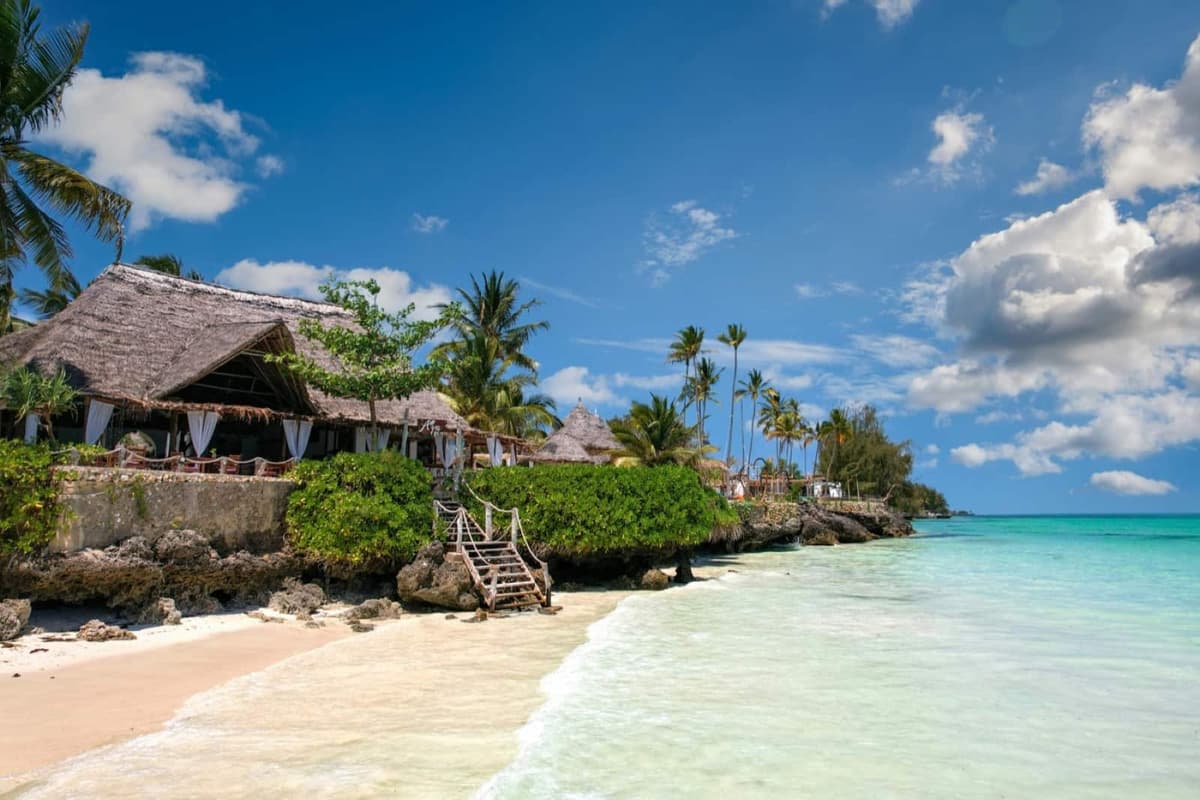
Yes, and it is a natural extension. Most travelers add 3 to 5 nights in Zanzibar after the safari. The standard routing is: 7-day safari ending in Arusha, then fly from Kilimanjaro Airport (JRO) to Zanzibar (ZNZ), roughly a 2-hour journey with a stop in Dar es Salaam. Zanzibar adds beach time, Stone Town, and a complete change of scenery after a week in the bush. Our 11-day Tanzania and Zanzibar itinerary builds this in.
From $2,195 pp
Park fees included